Working app
I designed all screens in Figma and built the working front-end interface in code, partnering with a backend engineer to bring real-time text matching, karma trading, and profile customization to life.
Ngram is a text-based social app where every post is original and nothing can be repeated, inspired by the look of the early internet.
This started as a personal project and grew into a working product, now in user testing across web, iOS, and Android. I came up with the concept, ran the research, designed the interface and visual identity in Figma, and built the front-end UI with Claude while an engineer built the backend.
On X and Threads, I kept seeing the same posts repeated, stolen, or pasted by bots. Research confirmed how widespread that frustration has become, alongside a growing nostalgia for the 2000s internet,4 with even MySpace announcing plans to relaunch.5
Repeated posts: The same post shows up across a feed dozens of times.
Stolen posts: Jokes and thoughts are copied from the people who wrote them without credit.
Bots and spam accounts: Automated accounts flood replies with fake engagement and recycled text.
profiles impersonating creators removed by Meta in the first half of 2025, alongside a crackdown on accounts that “repeatedly reuse someone else’s text, photos, or videos.”
Meta · 2025 1 (opens in a new tab)accounts acted against for spammy behavior or fake engagement on Facebook in the same six months.
Meta · 2025 1 (opens in a new tab)of Americans surveyed feel nostalgic for the early internet, and 55% found it more creative. MySpace is the site they miss most.
HostingAdvice · 2025 · 1,000 people 2 (opens in a new tab)in the same survey are annoyed by today’s spam, ads, and AI-generated content.
HostingAdvice · 2025 2 (opens in a new tab)want platforms to prioritize fewer ads and more control over them in 2026. From brands, the top ask is human-made content (32%).
Sprout Social · 2025 · 2,270 people 3 (opens in a new tab)people on SpaceHey, a MySpace-style site with no algorithm and customizable profiles, as of March 2026.
Wikipedia · SpaceHey 4 (opens in a new tab)Ngram is a text-only social app with no repeated posts, built around originality and self-expression. Users can customize their profiles and pixel avatars and collect stamps, inspired by the early web.
An ngram is a line of text up to 280 characters, with no images or videos. As users type, the app checks their words against everything already posted. Each person can create up to 10 original ngrams every 24 hours, preventing anyone from claiming phrases in bulk.
If a phrase has already been written, the app surfaces the original post so the user can echo it instead of posting a duplicate. Each user can echo a post only once, and every echo gives the current owner one karma point. Users earn no karma from echoing their own posts, and everyone starts at zero.
Karma is the app's internal currency. Users can spend it to buy other people's ngrams or unlock profile accessories. It is not real money and cannot be cashed out. When an ngram changes hands, the original writer's name and timestamp remain attached alongside every owner since.
An ngram can be sold or hidden from a profile, but never deleted, and usernames are permanent once chosen.
The app is organized around five main screens in the bottom navigation bar.
A chronological feed split into two tabs: For you and Following.
Opens the post page
The discovery page for searching ngrams, browsing trending topics, and checking the top charts.
Opens a topic, top charts
A simple text composer that checks words against every existing ngram in real time. If a phrase is already taken, it prompts the user to echo the original instead.
Returns to Home
A chronological notifications feed tracking echoes, comments, replies, and ngram sales.
Opens the post page
A customizable personal page displaying the user's pixel avatar, karma balance, achievement stamps, original ngrams, and echoed posts.
Opens karma, the stamp album, settings
Posting takes two taps. If the words are already taken, the composer pivots to let the user echo or open the original.
The user taps the plus button in the center of the bottom bar.
The user starts typing, and the app checks the phrase for originality in real time.
If the phrase is new, the Create button activates and the user taps it.
The new ngram is published to the top of the chronological feed.
If the phrase exists, the matching ngram appears below the text box and the action changes to an Echo button.
Tapping the match opens the original ngram's page, where the user can view its ownership history or make a karma offer to buy it.
The visual direction draws on the 2000s web: pixel art, sharp corners, 1px borders, and customizable personal pages.
The core interface stays grayscale so the writing comes first. Six pastel accents bring in the early-web feel and are reserved for personal details: pixel avatars, achievement stamps, and profile backgrounds.
Every screen follows the same strict rules: square corners, 1px borders, and no emoji. Any active tab or button fills in solid black.
Users can pick from eight hand-drawn pixel faces on a 20×20 grid or draw their own avatar pixel by pixel.


Milestones unlock collectible postage stamps, each with a custom pixel illustration and serial number (43 stamps in total).


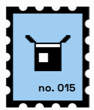
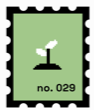
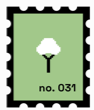
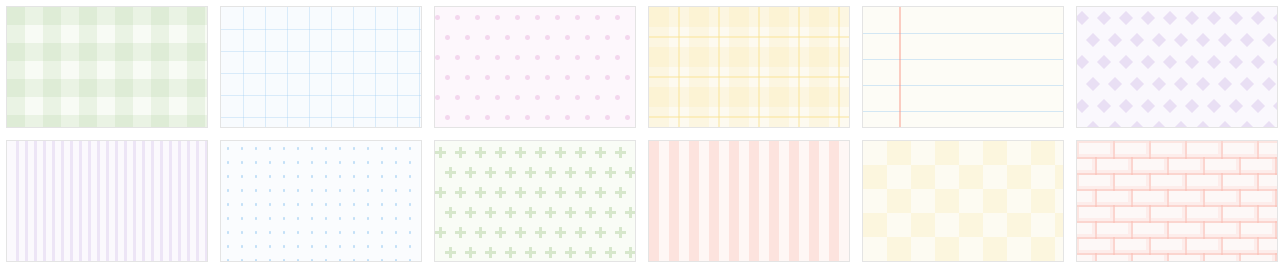
Users spend karma in the shop to personalize their profiles with 12 patterned backgrounds, 5 avatar frames, and an animated page effect of falling snow.
User testing
Build
Stage
I designed all screens in Figma and built the working front-end interface in code, partnering with a backend engineer to bring real-time text matching, karma trading, and profile customization to life.
The app is currently in closed beta with 20 testers across web and mobile to see how real conversations, echoes, and karma offers play out over time.
The product ships with a complete component system, custom pixel avatar editor, 43 illustrated achievement stamps, and 12 themeable profile backgrounds.
Ahead of the public App Store launch, I am reviewing beta feedback and usage data to see how well new users grasp the echo and ownership mechanics and where the onboarding flow needs tightening.
I used Claude to surface industry reports and surveys on social media spam, bot activity, and early-internet nostalgia, then verified every figure directly against the primary sources.
After designing the screens and pixel assets in Figma, I used Claude to build the front-end interface in code so it could connect directly to the engineer's backend.
I populated the prototype with hundreds of mock ngrams, long ownership histories, and edge-case character lengths to test the real-time duplicate checker and stamp layouts before inviting beta testers.
Meta, "Cracking down on unoriginal content on Facebook", 14 July 2025, reported by TechCrunch. techcrunch.com (opens in a new tab)
HostingAdvice, "Survey Finds Myspace is America's Most-Missed Website", January 2025. A survey of about 1,000 Americans. hostingadvice.com (opens in a new tab)
Sprout Social, "Q4 2025 Pulse Survey", November 2025. An online survey of 2,270 social media users in the US, UK, and Australia, run 25 to 28 September 2025. sproutsocial.com (PDF) (opens in a new tab)
Wikipedia, "SpaceHey", read 30 September 2026. en.wikipedia.org (opens in a new tab)
NBC New York, "A Myspace comeback? Owners share plans to relaunch social media platform", 3 August 2026. nbcnewyork.com (opens in a new tab)